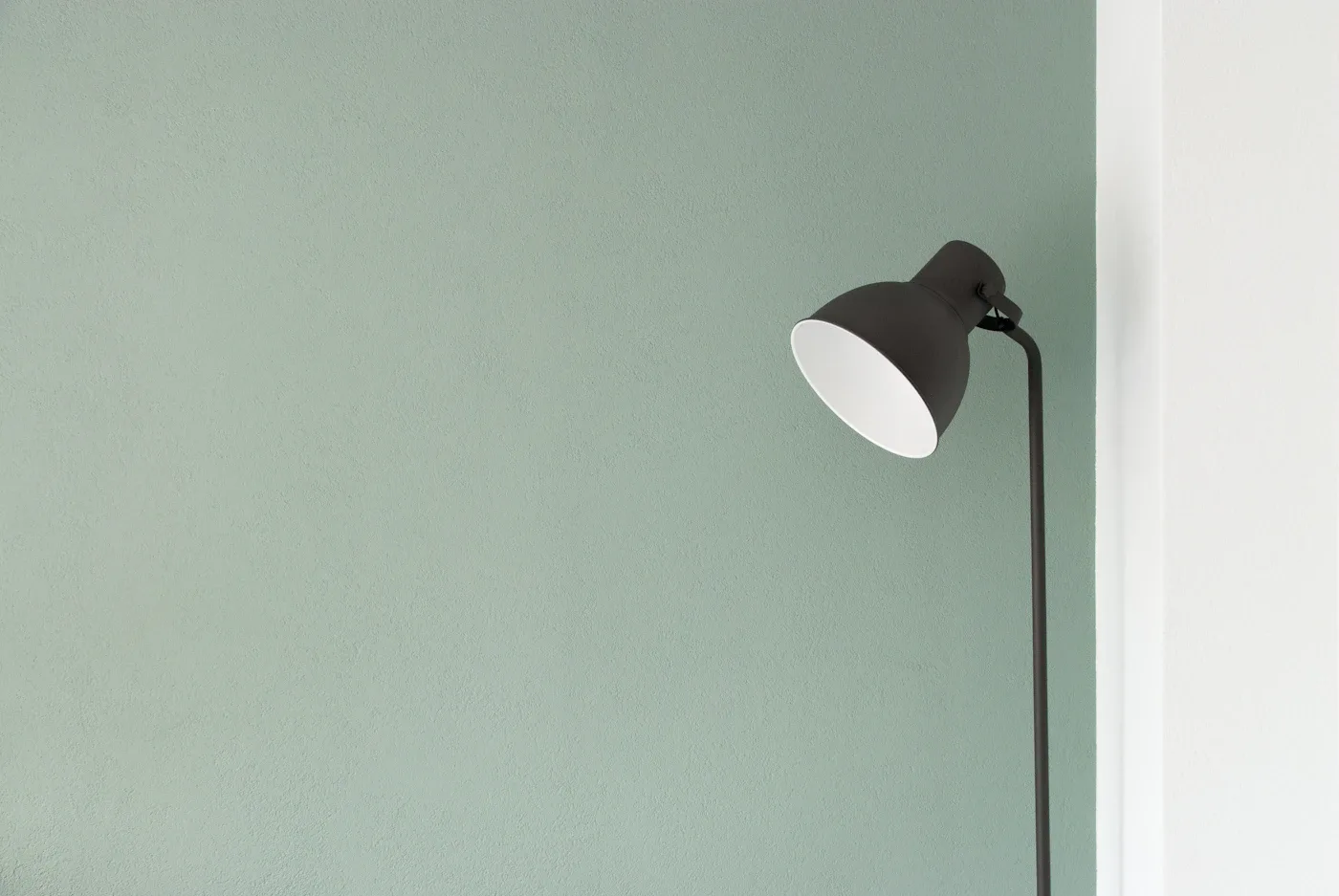
Let the light do the decorating.
Before adding anything to a room, spend a day watching what is already there.
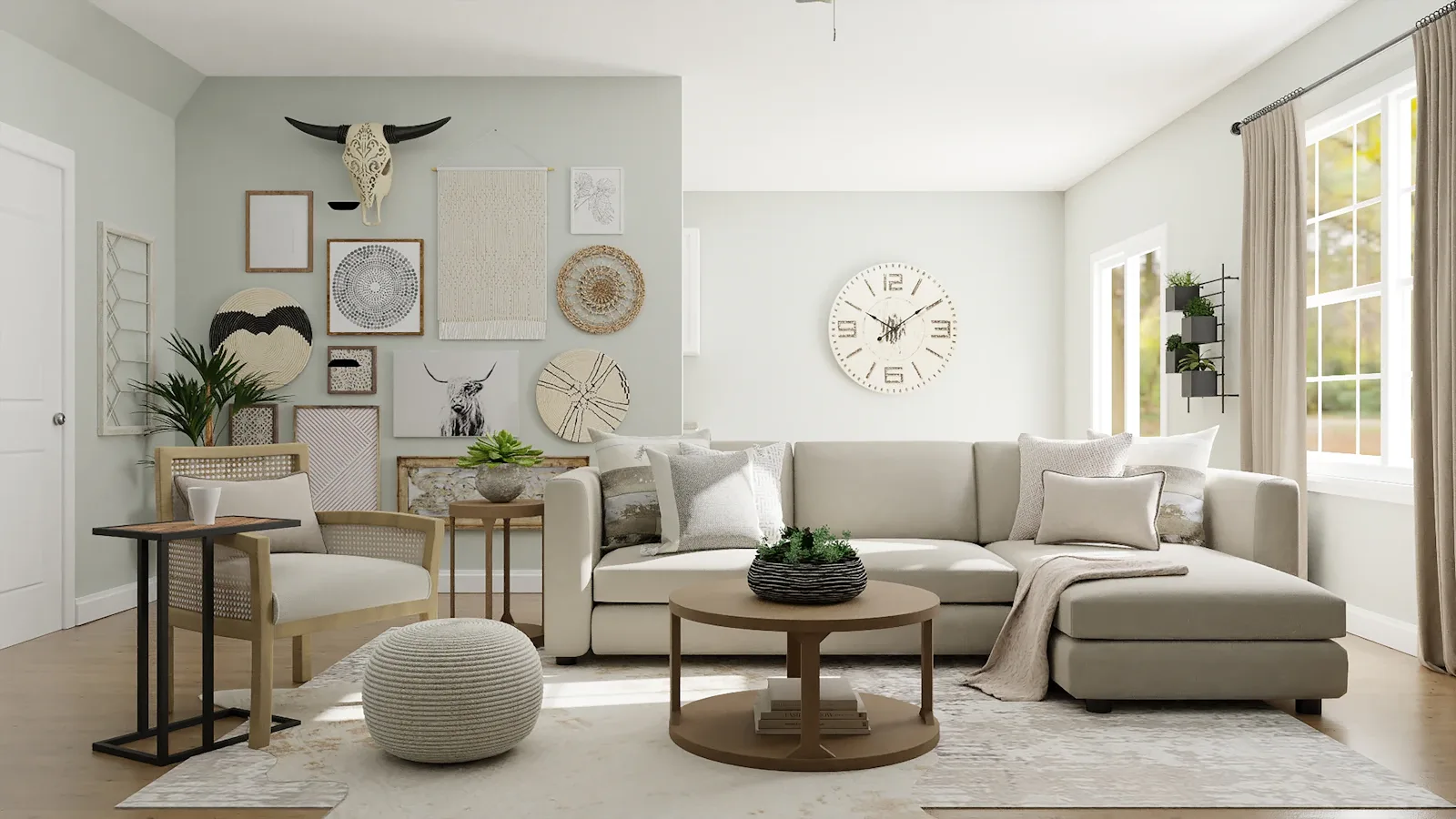
A room can look completely different at eight in the morning and four in the afternoon, even when nothing has moved. A pale wall becomes golden. A floor acquires a temporary pattern. The chair that felt forgotten in a corner suddenly seems to be in exactly the right place.
We spend a lot of time thinking about what to put in our homes. Less often do we pause to see what the light is already doing. This is an invitation to begin there, before the shopping list.
Watch before you rearrange
Pick a room you use often. Visit it at a few different times on a day when you are home. Notice where the light lands, which corners remain soft, and where reflections appear. A cloudy day has its own character; you do not need direct sunshine to learn something about a space.
If it helps, take a few quick photographs from the same spot. They are notes for you, not pictures to share. Compare them later. You may discover that the area you thought of as gloomy is beautifully quiet in the morning, or that the brightest spot is not where you would actually want to sit.
Think about glare as well as brightness. A desk facing a window might look lovely but make a screen difficult to read. A small change in angle may be more useful than a new piece of furniture.
Move one thing
Choose a single object to try somewhere else: a chair, a small table, a lamp. Move it toward a place where you naturally pause. Live with the change for a day before deciding whether it works.
It is easier to understand one change than five. When everything moves at once, you can lose track of what improved the room and what merely made it unfamiliar.
The same approach works in a tiny apartment. A chair turned slightly, a stack of papers moved out of a reflection, or a curtain opened differently can alter how a corner feels. Keep walkways clear and leave yourself a comfortable route through the room. A beautiful arrangement is not especially useful if you have to negotiate it every time you pass.
Give the evening a different mood
Daylight is only half the story. In the evening, a room can become smaller and more intimate through the way you use the lamps you already own.
Try turning on one at a time. Notice what each light reaches and what it leaves alone. A reading corner needs a different kind of attention from a dining table. You may prefer a pool of light where you are sitting and a softer background, rather than lighting every surface equally.
Use fixtures and bulbs according to their manufacturer’s instructions. This is an exercise in placement and observation, not a reason to improvise electrical changes.
Keep a little emptiness
When a patch of light looks beautiful on an empty surface, the impulse is often to put an object there. Sometimes leaving it empty is the more interesting choice. The light can be the thing you notice.
A home does not have to be visually finished from every angle. A clear piece of wall, an unoccupied corner, or a simple tabletop gives the eye somewhere to rest. It also leaves room for daily life to arrive: a bag, a book, a flower someone brought home.
The best result of this small experiment may be a purchase you no longer feel you need to make. Or it may be something less measurable: finding a favorite place in a room you thought you already knew.
Keep this one for a quiet moment.