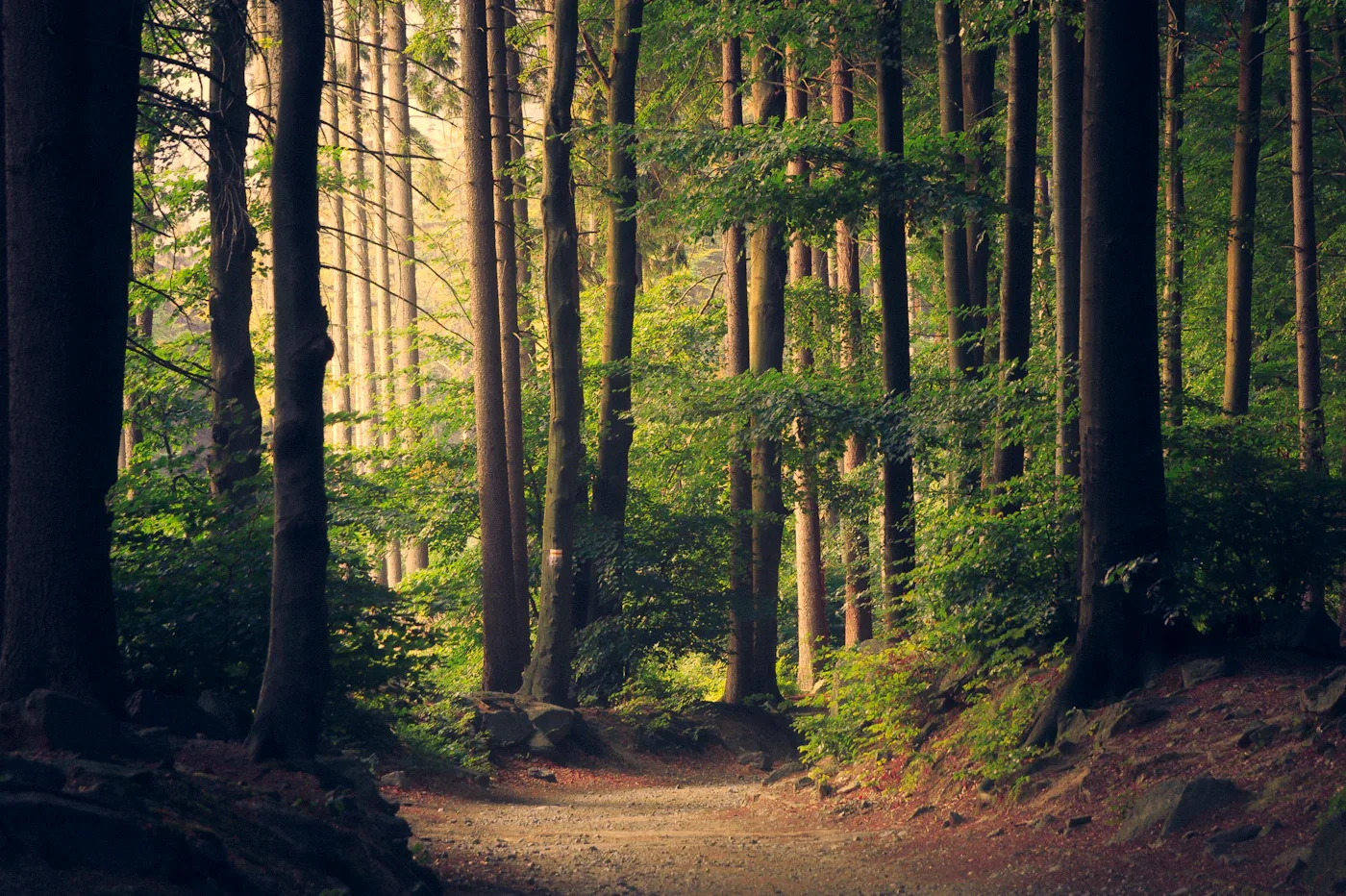
In defense of the park bench.
A destination that asks very little, and gives you a place in the day.
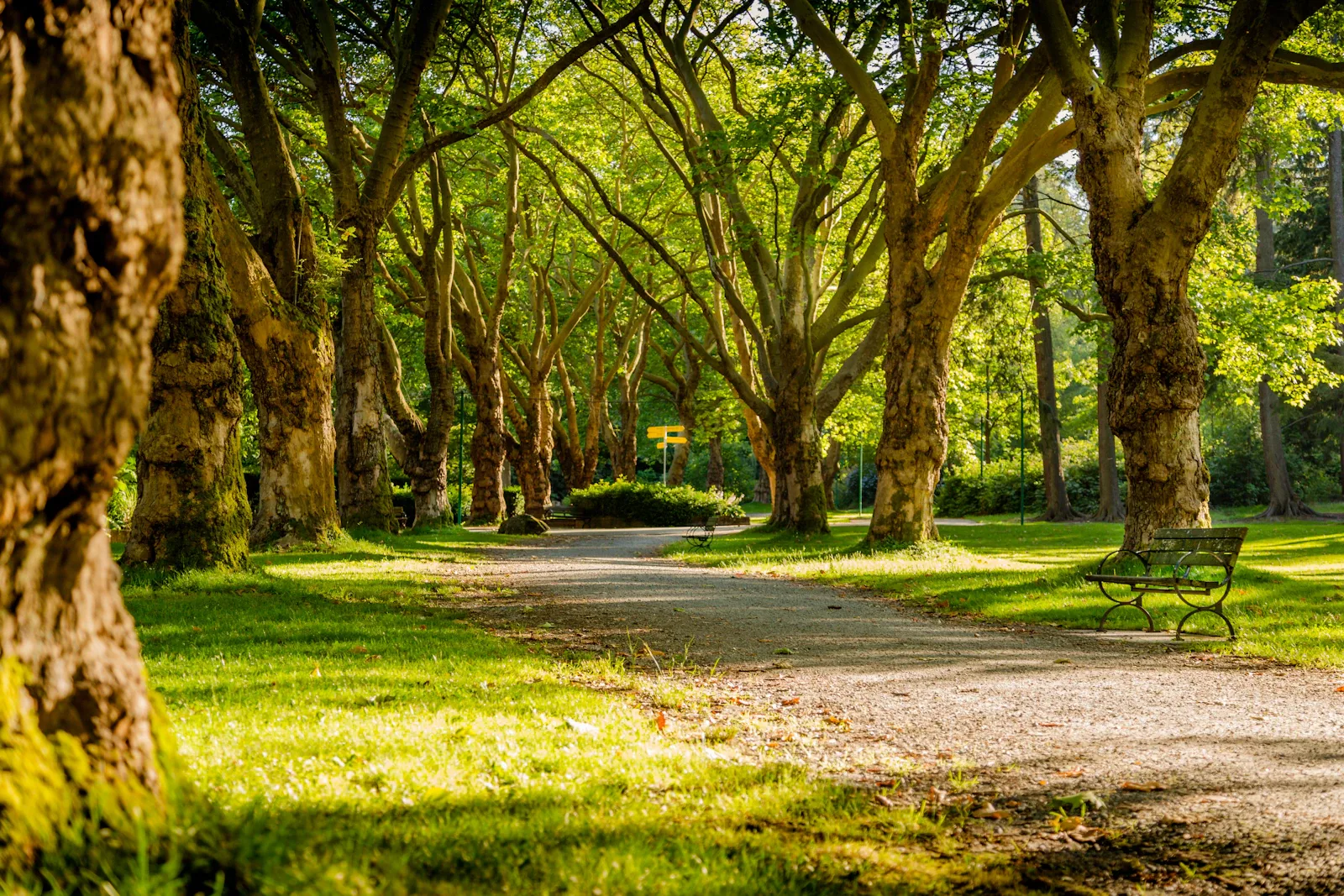
A bench is one of the simplest things a public place can offer. It allows you to stop without making a purchase, to spend a little time somewhere without needing to explain why you are there. A good bench makes room for a person to be part of a place at a slower speed.
On a busy day, sitting outside can seem too small to count as an outing. That may be exactly its appeal. There is no itinerary, no list of things to see, and no obligation to make the journey worth it by staying longer than you want.
Choose comfort before the view
A spectacular view is not much use if the seat is wet, exposed, or awkward to reach. Choose somewhere comfortable for you, with a route and surroundings that suit your needs. Notice shade, wind, noise, and how easy it will be to leave when you are ready.
Check any posted opening hours and local park guidance. Stay on public paths and keep clear of entrances or areas where people need to pass. If you are visiting alone, choose a place and time where you feel at ease.
A bench on a familiar street can be as useful as one in a large park. So can a public chair, a sheltered seat, or another accessible place designed for sitting. The idea is to pause, not to find a perfect setting.
Let the scene move without you
Walking gives you a changing view. Sitting lets the view change on its own. People enter and leave. Light moves. A sound grows louder and fades. You begin to notice the rhythm of a place without having to keep up with it.
There is no need to identify every bird or tree. If something interests you, make a note and look it up later using a reliable local guide. You can also simply enjoy not knowing its name.
Respect other people’s privacy. Observing the general life of a park is different from watching a particular person or recording a private conversation. Give people room to exist without becoming material for your outing.
Bring less than you think
A drink, a layer suitable for the weather, and something small to read may be enough. Take your rubbish home or use the proper bins. Avoid feeding wildlife; follow the park’s guidance and let animals keep their distance.
If you bring a book, try leaving it closed for the first few minutes. A book can be a lovely companion, but it can also let you remain mentally indoors while sitting outside. See what the place offers before choosing where to put your attention.
You do not need to stay until you feel transformed. Ten comfortable minutes can be enough, and leaving after three is allowed. This is a pause, not a test of how well you can be still.
Notice the public generosity
As you leave, look at the seat itself. Its position, its angle, the space around it. Someone made a decision about where a person might want to stop. Sometimes that decision was thoughtful; sometimes the bench seems to have been placed wherever there was room.
Noticing public seating can change how you understand a neighborhood. You begin to see where people are invited to linger and where they are expected to keep moving.
For today, a place to sit may be all you need. An ordinary piece of shared infrastructure becomes a small destination, and the day has a little more room in it.
Keep this one for a quiet moment.